


Schaumburg Marketplace
Connecting Local Business
And Empowering Community
951 N Plum Grove Rd, Suite C
Schaumburg, IL 60173
◆ CONNECTING LOCAL BUSINESS · EMPOWERING COMMUNITY


Consumer Protection
FTC: Disaster Planning Can Also Protect Households From Scams
The FTC’s National Preparedness Month alert urges households to organize records, review coverage, vet contractors and plan ahead before weather emergencies create openings for scams.
September 21, 2026 · 3 min read
I'm a paragraph. I'm connected to your collection through a dataset. Click Preview to see my content. To update me, go to the Data Manager.
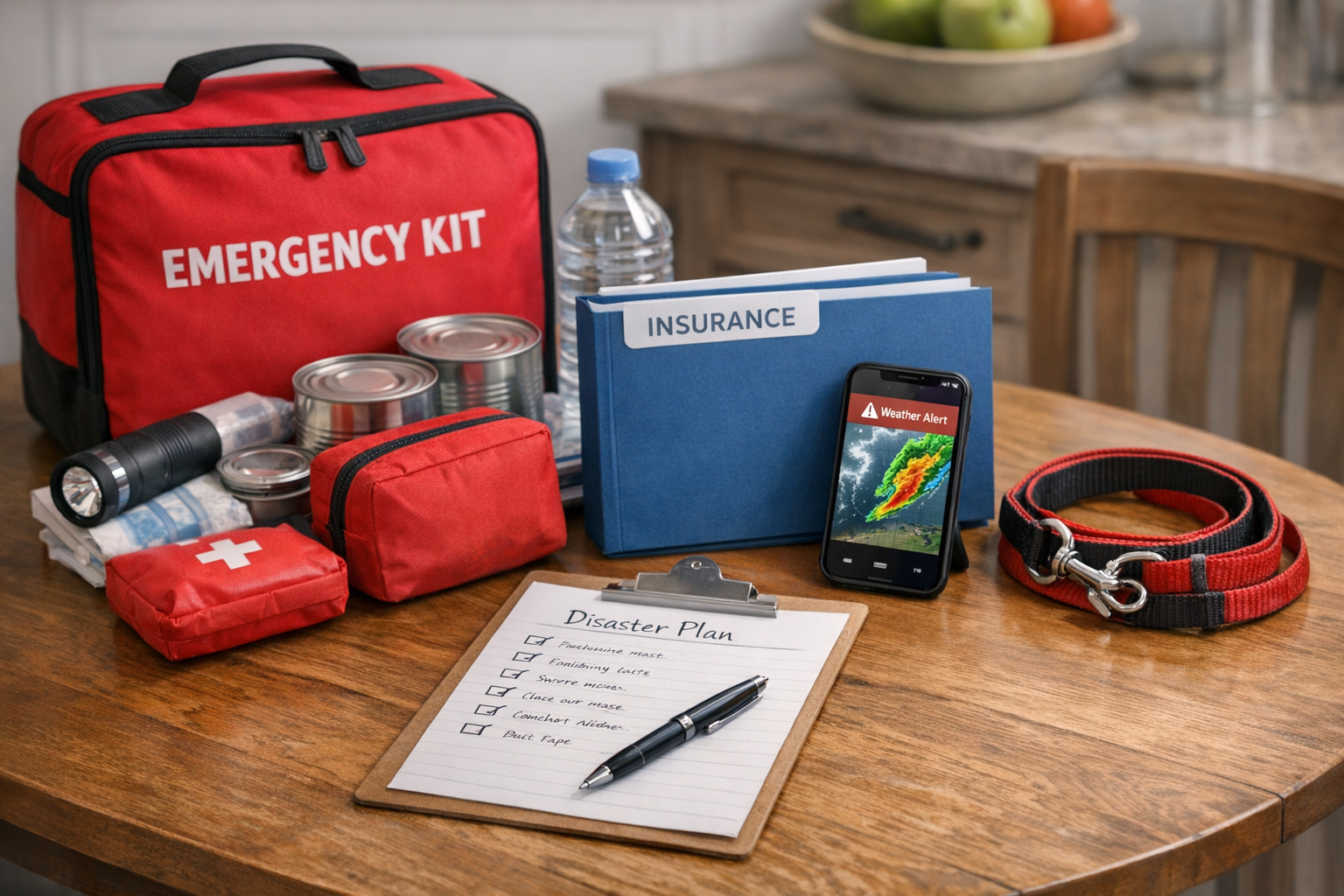
The Federal Trade Commission is using National Preparedness Month to remind U.S. households that emergency planning is also a consumer protection tool. Its September 2026 consumer alert focuses on a common post-disaster problem: people under stress may be pressured into quick decisions about repairs, temporary housing, donations or document replacement.
The alert is national rather than Schaumburg- or Illinois-specific, but the guidance is relevant for readers anywhere severe weather, power outages or other disruptions can create confusion. The FTC’s main message is simple: prepare before an emergency so scammers have fewer chances to exploit urgency afterward.
What the FTC is telling consumers to do
The FTC highlights several practical steps households can take in advance. They include reviewing insurance policies, organizing important papers, creating a home inventory, researching contractors before repairs are needed, signing up for local emergency alerts and planning for pets.
For insurance, the point is not just whether a policy exists, but what it actually covers after a disaster. Households may need to know whether temporary lodging, replacement clothing or certain types of damage are included. A written inventory with photos or video can also make it easier to document losses if a claim is filed.
The agency also urges people to store key documents in a way they can access after an emergency. Digital storage can help, but the FTC specifically emphasizes strong passwords and multifactor authentication, which adds a second verification step beyond a password.
Why scams often follow disasters
Disasters create the conditions scammers look for: urgency, limited information and people needing immediate help. A fake contractor may demand a large upfront payment and disappear. A bogus charity may use a recent emergency to solicit donations. Someone posing as an official may ask for personal information or payment to speed up aid.
One useful habit is to slow down any transaction that depends on fear or pressure. Before hiring a contractor, consumers can search the company name with words such as scam, complaint or review; ask for written estimates; check licensing or registration where applicable; and avoid paying the full amount before work is completed. These steps do not guarantee a problem-free project, but they can reduce obvious risks.
What the data shows—and what it does not
The FTC alert is a preparedness checklist, not a statistical report. It does not provide Schaumburg, Illinois or national loss totals tied to disaster scams in this announcement. What it does show is the federal agency’s recurring concern that weather emergencies and recovery periods are high-risk moments for consumer deception.
That matters because many financial decisions after a disaster happen quickly: paying for repairs, replacing belongings, finding housing, filing insurance claims or donating to relief efforts. Each can involve money, personal data or both.
Consumer finance context: practical questions to ask
Because disaster recovery can involve insurance, debt, savings and contractor payments, households may benefit from asking plain-language questions before trouble starts: What deductible applies? What damage is excluded? How would I prove what I owned? Who is authorized to make repairs? How would I verify a charity or government contact?
Warning signs include demands for wire transfers, gift cards, cryptocurrency, cash-only payments, pressure to decide immediately, refusal to provide a written contract, or requests for sensitive information unrelated to the service being offered. If a claim, repair or payment request feels rushed, independent verification is often the safest next step.
This article is for general educational purposes only and is not personalized financial, insurance, legal or consumer advice.
Main uncertainties and risks
The biggest uncertainty is timing: people rarely know when a damaging event will occur. The FTC’s guidance is designed for that uncertainty by encouraging preparation before stress and limited access to records make decisions harder.
Another risk is assuming that all emergency-related communications are legitimate. Consumers may hear from real insurers, local officials, charities and contractors after a disaster, but impostors can mimic those same roles. Verifying phone numbers, websites and credentials through official sources can help separate real assistance from fraud attempts.
Sourcesconsumer.ftc.gov national preparedness month plan ahead avoid scamsconsumer.ftc.gov plan avoid scams national preparedness monthconsumer.ftc.gov september national preparedness month make plan nowftc.gov WeatherEmergenciesready.gov npmconsumidor.ftc.gov durante el mes de preparacion nacional planifica con…
More in Consumer Protection Open Enrollment Brings a Fresh Warning on Health Insurance ScamsOct 2, 2026 FTC’s Take It Down Act Enforcement Gives Victims a 48-Hour Removal PathOct 2, 2026
Share this articleFacebookXLinkedIn
Explore SchaumburgEvents →Things to Do →Coupons →Classifieds →Jobs →Videos →
SPONSORED

Business Name
Service • Service
Short description of the business.
Licensed

Paid placement. We don't endorse this business. Please verify licenses before hiring.
Keep reading
More local news and guides from Schaumburg Marketplace.