


Schaumburg Marketplace
Connecting Local Business
And Empowering Community
951 N Plum Grove Rd, Suite C
Schaumburg, IL 60173
◆ CONNECTING LOCAL BUSINESS · EMPOWERING COMMUNITY


Interest Rates
Fed Minutes Show July Rate Hold at 3.50%–3.75%: What Borrowers and Savers Should Watch
The Federal Reserve’s July 28–29 minutes show policymakers held the federal funds target range steady at 3.50%–3.75%, with implications for loans, mortgages, credit cards and savings rates.
September 29, 2026 · 3 min read
I'm a paragraph. I'm connected to your collection through a dataset. Click Preview to see my content. To update me, go to the Data Manager.
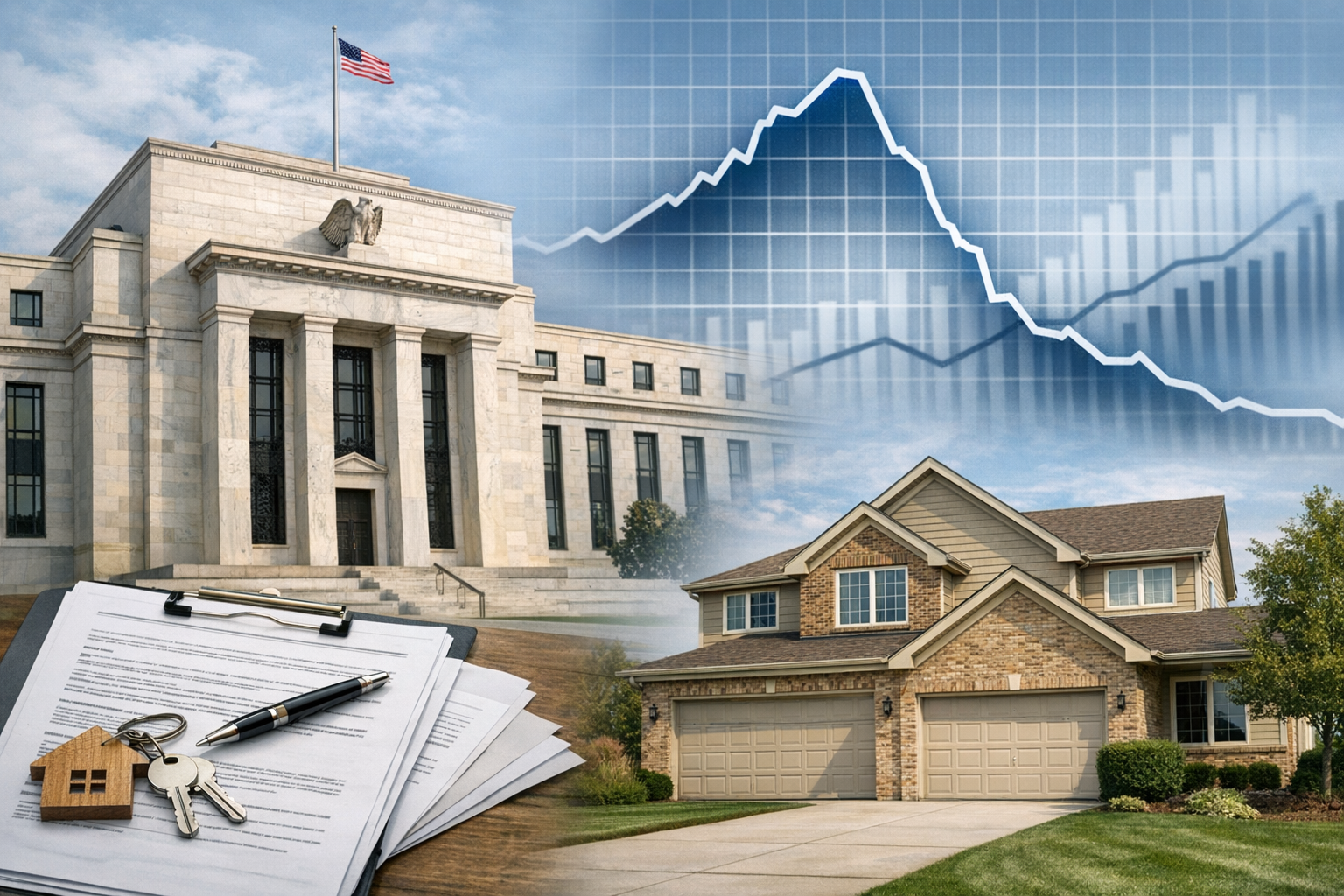
Fed minutes confirm a pause in July
The Federal Open Market Committee held its July 28–29, 2026 meeting and kept the target range for the federal funds rate at 3.50% to 3.75%. The Federal Reserve released the meeting minutes on August 19, giving households, lenders and markets a fuller look at the discussion behind the July 29 policy decision.
The policy action was approved on a 9–3 vote, according to the Fed’s official release. The minutes describe policymakers weighing inflation, labor market conditions and broader financial conditions while leaving the benchmark rate unchanged.
Why this matters in Schaumburg and across Illinois
The federal funds rate is not the rate on a mortgage, car loan or credit card. It is the overnight rate banks charge each other for reserve balances. Still, it acts as a key reference point for the financial system. When the Fed holds rates steady, banks, lenders and investors may still adjust consumer rates based on inflation expectations, bond yields, credit risk and competition.
For Schaumburg-area readers, the decision is relevant because interest-rate expectations can affect mortgage pricing, adjustable-rate loans, home-equity borrowing, auto financing, credit-card annual percentage rates and bank deposit yields. In the Chicago metro housing market, even small rate changes can alter monthly payment calculations for buyers and refinancing math for homeowners.
What the data shows
The verified facts are straightforward: the FOMC met July 28–29, 2026; held the federal funds target range at 3.50% to 3.75%; and released the minutes on August 19, 2026. The minutes provide added context on economic risks but do not guarantee what the Fed will do next.
That distinction matters. Financial markets often react not only to the current rate decision, but also to language suggesting how officials view inflation, employment and future policy options. A steady rate decision can still move mortgage or bond markets if investors read the minutes as more cautious, more inflation-focused or more concerned about slowing growth.
Plain-language interest rate context
Borrowers generally feel higher interest rates through more expensive monthly payments on variable-rate debt and newly issued loans. Credit cards and some home-equity lines often adjust more directly with short-term rate benchmarks. Fixed-rate mortgages are usually tied more closely to longer-term bond yields, especially Treasury yields and mortgage-backed securities pricing.
Savers may benefit when banks raise yields on savings accounts, certificates of deposit or money-market accounts, but deposit rates do not always move one-for-one with Fed policy. Banks can lag in raising or lowering rates, and account fees, minimum balances and withdrawal limits can reduce the practical benefit of a higher advertised yield.
For general education only, consumers can ask practical questions such as: Is my loan fixed or variable? When can my rate reset? What fees apply if I refinance or move balances? Is an advertised savings yield temporary? How would a higher monthly payment fit into my budget if rates stay elevated longer than expected?
Main uncertainties
The key uncertainty is the future path of inflation and the labor market. If inflation remains above the Fed’s comfort zone, policymakers may be less willing to lower rates. If employment conditions weaken meaningfully, the balance of risks could change. The minutes are a snapshot of the July discussion, not a binding schedule for future decisions.
Readers should also be cautious about assuming that a Fed pause immediately means cheaper borrowing. Mortgage rates, auto rates and credit-card rates include lender margins, borrower credit risk, market demand and other costs. Local conditions in Illinois housing and consumer lending can also differ from national averages.
This article is for educational purposes only and is not personalized financial, investment, mortgage, credit, tax or legal advice.
Sourcesfederalreserve.gov fomcminutes20260729federalreserve.gov monetary20260729afederalreserve.gov monetary20260819afederalreserve.gov fomcpresconf20260729
Latest articles The shift from SaaS to AaaS (Agent-as-a-Service) is officially hereOct 5, 2026 Oak Park Weighs A Housing Accelerator ToolOct 5, 2026 Mezzetta Peperoncini Recall: What Illinois Shoppers Should CheckOct 2, 2026 Ravioli Recall Highlights Hidden Shellfish Allergy RiskOct 2, 2026
Share this articleFacebookXLinkedIn
Explore SchaumburgEvents →Things to Do →Coupons →Classifieds →Jobs →Videos →
SPONSORED

Business Name
Service • Service
Short description of the business.
Licensed

Paid placement. We don't endorse this business. Please verify licenses before hiring.
Keep reading
More local news and guides from Schaumburg Marketplace.