


Schaumburg Marketplace
Connecting Local Business
And Empowering Community
951 N Plum Grove Rd, Suite C
Schaumburg, IL 60173
◆ CONNECTING LOCAL BUSINESS · EMPOWERING COMMUNITY


Health & Wellness
Whole Grains Linked To Better Cardiometabolic Markers
A large review of randomized trials found higher whole-grain intake was tied to modest improvements in weight, cholesterol, blood pressure, glucose and inflammation markers, with important limits.
September 25, 2026 · 3 min read
I'm a paragraph. I'm connected to your collection through a dataset. Click Preview to see my content. To update me, go to the Data Manager.
What Happened
A new meta-analysis published in the European Heart Journal examined randomized trials of whole-grain intake and cardiometabolic risk factors. The review found that higher whole-grain consumption was associated with several favorable changes, including body weight, waist circumference, blood pressure, total cholesterol, LDL cholesterol, triglycerides, fasting glucose, insulin resistance and the inflammatory marker IL-6.
The dose-response analysis pointed to the strongest observed benefits at about 60 to 100 grams per day of whole grains by dry weight, described in the research summary as roughly 4 to 6 servings per day. The evidence is relevant to U.S. readers, including people in Schaumburg and the Chicago metro area, because the trials included participants from several regions, including the United States. The sources provided did not identify a Schaumburg- or Illinois-specific study.
Why It Matters
Cardiometabolic risk factors are measures that relate to future risk of conditions such as heart disease and type 2 diabetes. Examples include blood pressure, cholesterol, triglycerides, blood sugar and waist circumference. Changes in these markers do not prove that a food will prevent disease for an individual person, but they can help researchers understand how eating patterns may affect health over time.
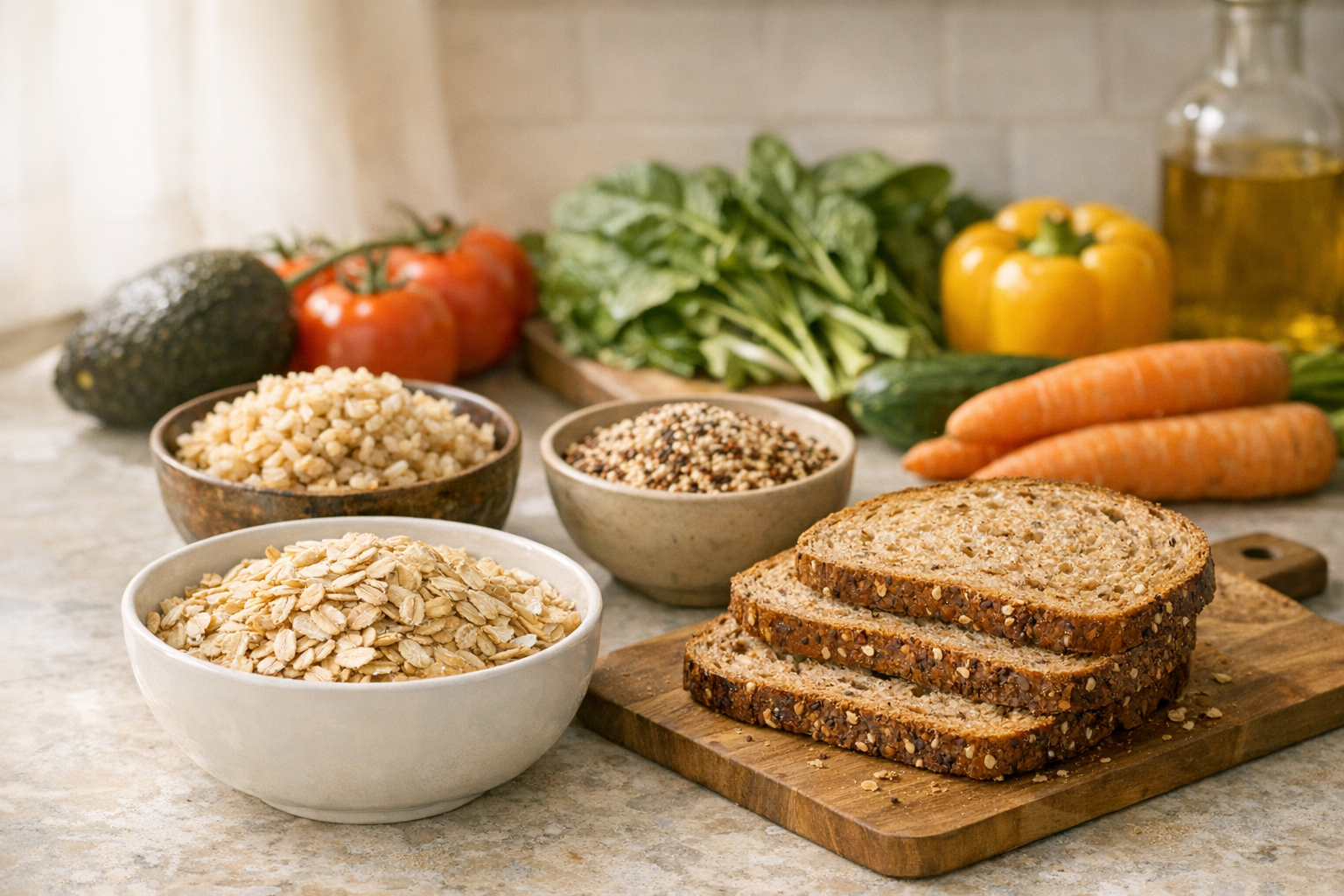
Whole grains contain the bran, germ and endosperm of the grain. Refined grains have had some of those parts removed. Common whole-grain foods include oats, whole-grain bread, brown rice and quinoa. The practical point is not that one food is a cure or a guarantee; the study looked at whole-grain intake as part of broader eating patterns and measured changes in risk markers.
What The Evidence Shows
The ScienceDaily summary of the European Heart Journal paper reports that the meta-analysis included 87 randomized trials with more than 6,500 participants. Trials came from Asia, Europe, the United States, Canada, Australia and Brazil. The American College of Cardiology also summarized the findings as showing modest improvements in several cardiometabolic markers with higher whole-grain intake.
Because the review pooled randomized trials, it provides a stronger type of evidence than a simple survey of what people eat. Still, the findings should be read carefully. The average trial length was about 8 weeks, and the trials did not directly measure long-term cardiovascular events such as heart attacks or strokes.
What Readers Can Take Away
For general education, the study supports a familiar public health message: whole-grain foods can be a useful part of a balanced eating pattern, especially when people are thinking about blood pressure, cholesterol, blood sugar and weight-related risk markers. For local shoppers and families, that may mean comparing grain products and noticing whether the foods they already buy are whole-grain options.
Useful questions to ask a doctor, registered dietitian, pharmacist or another qualified health professional include:
- How do whole grains fit with my overall eating pattern and health goals?
- If I have high blood pressure, high cholesterol, prediabetes or diabetes, what lab markers should I track over time?
- Are there digestive concerns, allergies or medical conditions that affect which grain foods are appropriate for me?
- How should I read food labels when comparing grain products, added sugars, sodium and fiber?
Key Limits And Uncertainties
The review did not show whether eating more whole grains lowers long-term cardiovascular event rates, because those outcomes were not directly assessed in the trials analyzed. The trials were relatively short, and results may differ depending on the type of grain food, the rest of the diet and a person’s health status. The findings should not be used as a reason to start, stop or change any medication or prescribed nutrition plan without professional guidance.
Educational note: This article is for general educational purposes only and is not medical advice. Talk with your doctor or another qualified provider about your own health. In an emergency, call 911.
This article is an original summary based on information published by the European Heart Journal, PubMed/National Library of Medicine, ScienceDaily, the American College of Cardiology and Dietary Guidelines for Americans.
Sourcesdoi.org ehag519pubmed.ncbi.nlm.nih.gov 41889716sciencedaily.com 260915232126acc.org Whole Graindietaryguidelines.gov
More in Health & Wellness Mezzetta Peperoncini Recall: What Illinois Shoppers Should CheckOct 2, 2026 Ravioli Recall Highlights Hidden Shellfish Allergy RiskOct 2, 2026 Raw Milk Cheese Recall Linked To E. Coli InvestigationOct 2, 2026 Lior Cinnamon Recall Includes Illinois DistributionOct 2, 2026
Share this articleFacebookXLinkedIn
Explore SchaumburgEvents →Things to Do →Coupons →Classifieds →Jobs →Videos →


Keep reading
More local news and guides from Schaumburg Marketplace.