


Schaumburg Marketplace
Connecting Local Business
And Empowering Community
951 N Plum Grove Rd, Suite C
Schaumburg, IL 60173
◆ CONNECTING LOCAL BUSINESS · EMPOWERING COMMUNITY


Health & Wellness
Study Finds Adult Hearts Can Regrow Some Muscle Cells
New research in Circulation Research reports that adult human heart muscle cells can show signs of division after a heart attack, but the finding is not a treatment or cure.
September 21, 2026 · 4 min read
I'm a paragraph. I'm connected to your collection through a dataset. Click Preview to see my content. To update me, go to the Data Manager.
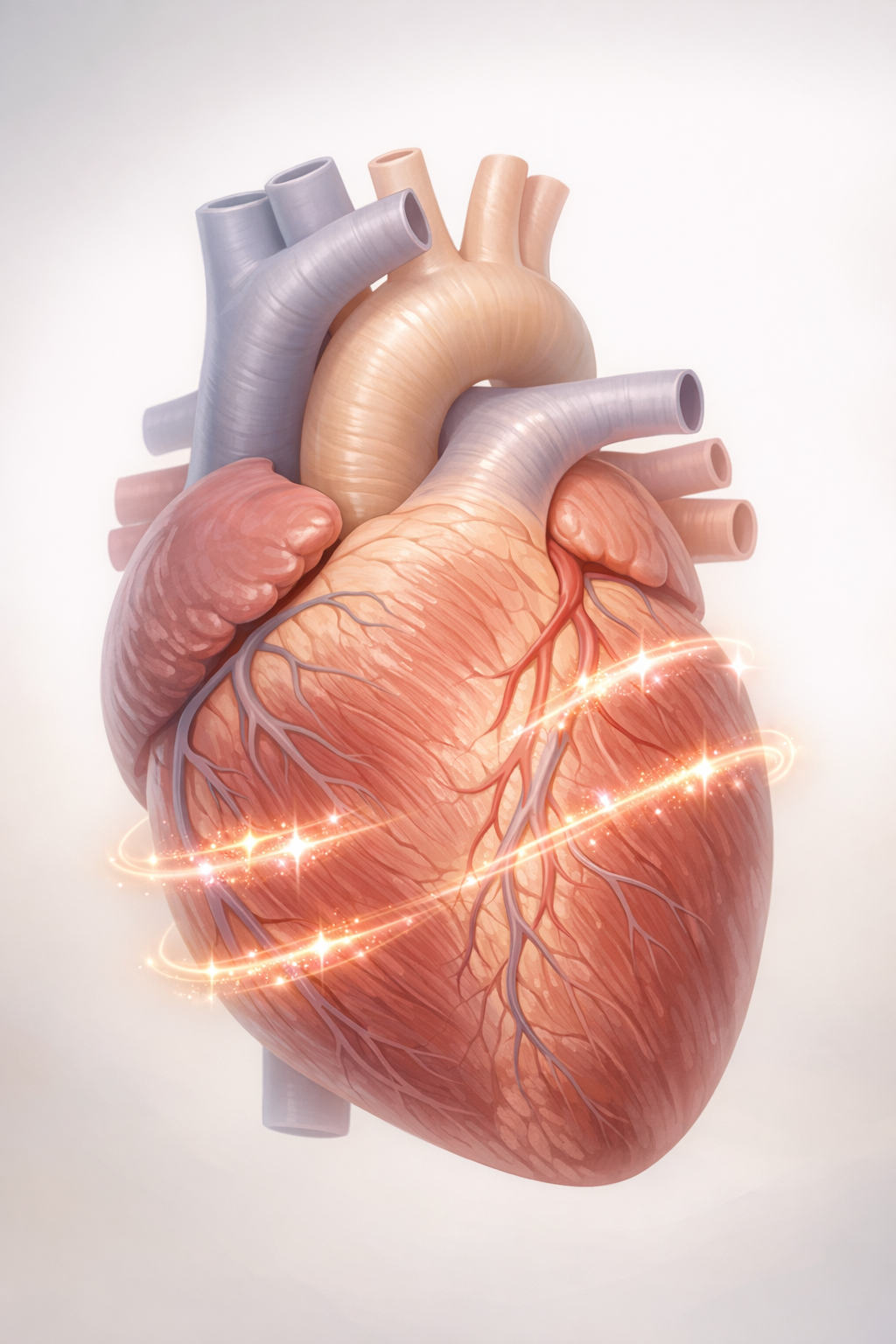
A New Clue About Heart Repair After A Heart Attack
A peer-reviewed study published in Circulation Research reports evidence that adult human heart muscle cells can begin dividing after a myocardial infarction, commonly called a heart attack. The finding challenges the older view that damaged adult heart muscle has no meaningful ability to regenerate.
The research, led by University of Sydney investigators and summarized by PubMed, PubMed Central, ScienceDaily, and the university, examined human heart tissue from people who had experienced a heart attack. The investigators reported increased mitosis in cardiomyocytes, the specialized muscle cells that make the heart pump.
For readers in Schaumburg and across Illinois, there is no local patient data or Illinois-specific clinical program tied to this study. Its importance is broader: it gives cardiovascular researchers a clearer human biology target as they explore future ways to help the heart repair itself.
What The Study Found
Cardiomyocytes usually have very limited ability to replace themselves in adulthood. In this study, researchers found signs that these cells can re-enter a cell-division process after a heart attack. In plain language, the injured human heart appears to have a built-in repair response, even if that response is limited.
The study used human post-heart-attack tissue, including biopsies from living patients undergoing bypass surgery. That makes the work notable because much of cardiac regeneration research has historically depended on animal models or indirect evidence.
The key point is not that the heart fully heals itself after a heart attack. The sources emphasize that the natural response appears partial and is not enough, by itself, to replace all damaged heart muscle or reverse heart failure. The long-term scientific goal is to understand whether that response could someday be safely amplified.
Why This Matters
A heart attack happens when blood flow to part of the heart muscle is blocked. Without enough oxygen, heart muscle cells can be injured or die. The body often repairs the area with scar tissue, which can help stabilize the heart but does not pump the way healthy muscle does.
If scientists can better understand how human cardiomyocytes are prompted to divide after injury, it may guide future research into regenerative therapies. Possible future directions discussed by researchers include approaches such as drugs or gene-based strategies, but those remain research goals rather than available treatments from this study.
Important Limits And Unanswered Questions
- This was not a treatment trial. The study provides biological evidence from human tissue; it does not test a new therapy for patients.
- The repair response appears limited. The reported regeneration is not currently enough to restore full heart function after major injury.
- The tissue source matters. Samples came from patients undergoing bypass surgery, so the findings may not represent every person who has a heart attack.
- Long-term outcomes remain uncertain. The study does not show whether boosting this process would be safe or effective in people.
Heart Health Context For Readers
Because this research focuses on heart attack recovery, it is a good reminder to understand common warning signs. Symptoms can include chest pressure or discomfort, shortness of breath, pain or discomfort in the arm, back, neck, jaw, or stomach, nausea, lightheadedness, or sudden unusual sweating. Some people, including older adults and people with diabetes, may have less typical symptoms.
Anyone who thinks they may be having a heart attack should seek emergency help right away. Do not wait to see whether symptoms pass.
For nonemergency conversations, practical questions to ask a doctor or other qualified provider may include: What does my personal heart attack risk look like? How should I understand my blood pressure, cholesterol, diabetes, or family history? If I have already had a heart event, what follow-up plan, cardiac rehabilitation options, or warning signs should I understand? If I take heart medicines, what side effects or interactions should I ask about with my pharmacist?
The Bottom Line
This study is an important step in heart regeneration science because it reports evidence of cardiomyocyte division in adult human hearts after heart attack. It does not mean heart attacks are reversible, and it does not change what any individual patient should do today. Its value is in opening a clearer path for future research into how the heart’s own limited repair response might be understood and, one day, potentially strengthened safely.
General education note: This article is for general educational purposes only and is not medical advice. Readers should talk with their doctor or another qualified health care provider about their own health. In an emergency, call 911.
This article is an original summary based on information published by Circulation Research, PubMed, PubMed Central, ScienceDaily, and the University of Sydney.
Sourcespubmed.ncbi.nlm.nih.gov 41342124pmc.ncbi.nlm.nih.gov PMC12922688sciencedaily.com 260909231754sydney.edu.au human heart regrows muscle cells after heart attack world…
More in Health & Wellness HIIT Study Points to Muscle Preservation in Older AdultsOct 9, 2026 Mezzetta Peperoncini Recall: What Illinois Shoppers Should CheckOct 2, 2026 Ravioli Recall Highlights Hidden Shellfish Allergy RiskOct 2, 2026 Raw Milk Cheese Recall Linked To E. Coli InvestigationOct 2, 2026
Share this articleFacebookXLinkedIn
Explore SchaumburgEvents →Things to Do →Coupons →Classifieds →Jobs →Videos →

Keep reading
More local news and guides from Schaumburg Marketplace.